






Fleet Management in Brazil: Trends, Innovations and Challenges

Fleet management refers to the process of managing a group of vehicles used by a company for operational purposes. In the Brazilian context,...
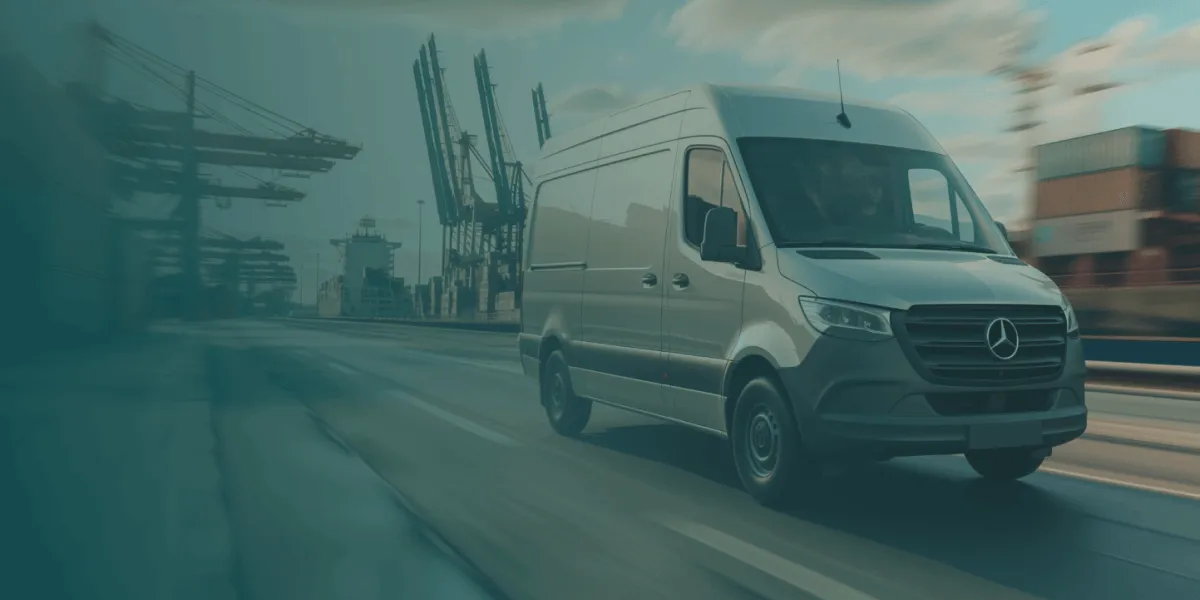
Fleet management refers to the process of managing a group of vehicles used by a company for operational purposes. In Brazil, where logistics plays a crucial role in the economy, effective fleet management can mean the difference between operational success and failure. Companies in different sectors, such as transportation, logistics, construction and public services, depend on fleets for their daily activities. Efficient management of these fleets not only optimizes operating costs but also improves safety, regulatory compliance and environmental sustainability.
Managing fleets is essential for companies that depend on vehicles to move goods, services or employees. With advances in telemetry and artificial intelligence (AI), companies now have more sophisticated tools to monitor, analyze and optimize the use of their fleets. This not only improves efficiency but also reduces environmental impact, aligning with growing demands for sustainability. Fleet management is therefore not only a logistical necessity but also a key strategy for companies’ competitiveness and social responsibility.
Types of Fleets
There are several types of fleets, each meeting specific needs. Commercial fleets, for example, are common in logistics and delivery companies, where transportation efficiency is critical to business success. Truck fleets are typical in sectors such as construction and agribusiness, where large volumes of cargo must be moved. Delivery fleets, such as those used by e-commerce companies, require high precision and punctuality in product delivery. Meanwhile, car rental fleets and carsharing offer flexible mobility solutions for individuals and businesses, reducing the need to own vehicles.
Comparing company-owned fleets and outsourced fleets is crucial to understanding the advantages and disadvantages of each model. Company-owned fleets offer greater control over vehicles and their use, but come with high upfront and maintenance costs. Outsourced fleets, on the other hand, allow companies to focus on their core activities by transferring maintenance and management responsibilities to third parties, although they may lose some flexibility and control.
The choice among these types of fleets depends on each company’s specific needs, available budget and long-term strategic objectives.
Key Elements of Fleet Management
Effective fleet management involves several key elements, starting with asset management, which includes not only vehicles but also any associated equipment. Ensuring that all assets are in good working order is essential for minimizing downtime and maximizing productivity. Management of supplies, such as fuel and maintenance, is another critical component because these account for a significant share of operating costs. Efficient control of these supplies can produce substantial savings.
Another vital aspect is managing driver behavior. With the advent of telemetry and video telemetry, it is possible to monitor driver behavior in real time, identifying driving patterns that could compromise safety or efficiency. Proactive monitoring not only improves safety but can also reduce costs associated with accidents and vehicle wear.
Documentation and legal compliance are also areas that cannot be neglected. In Brazil, where transportation legislation is strict, keeping documentation current and ensuring compliance with all regulatory standards is fundamental to avoiding fines and other penalties. This includes everything from vehicle documents to maintenance and insurance records.
Finally, effective fleet management requires integrating all these elements into a cohesive system that enables data analysis and informed decisions. Fleet management software can centralize these functions, making the entire process easier to manage and optimize.
Optimize your company’s fleet management with Clara: a unified platform offering full spending control, instant issuance of customized credit cards and advanced security with VCNs. Try an efficient, secure solution that simplifies your financial processes and adapts to your needs.
Essential Technologies for Fleet Management
In recent years, fleet management technologies have evolved rapidly, offering more advanced tools for monitoring and optimization. The use of fleet management software is one such innovation, allowing companies to track their vehicles in real time, manage routes and monitor driver performance. This software provides a comprehensive view of fleet operations, making it easier to identify areas for improvement and reduce costs.
Telemetry and video monitoring are other technologies that have transformed fleet management. Telemetry allows real-time tracking of variables such as fuel consumption, speed and driver behavior. Video monitoring adds an extra layer of security, allowing managers to review critical events, such as accidents or traffic violations, with video footage. This is particularly useful for promoting safer driving and resolving disputes in the event of accidents.
Artificial Intelligence (AI) and Big Data are also beginning to play fundamental roles in fleet management. AI can be used to predict maintenance needs, optimizing vehicle downtime and preventing breakdowns. Big Data enables the analysis of large volumes of data to identify patterns of efficiency and inefficiency, offering insights that would be impossible to detect manually.
One of the latest innovations is the use of fatigue sensors and video telemetry to improve driver safety. These sensors monitor signs of fatigue and distraction, alerting drivers and managers in real time to prevent accidents. In addition, 5G technology is emerging as a game changer in fleet management, enabling more efficient remote management, with nearly instantaneous data transmission and support for a greater number of connected devices.
With these technologies, companies can not only monitor their fleets more effectively but also adopt more proactive and preventive practices, resulting in safer, more efficient and more sustainable operations.
Challenges in Fleet Management
Although fleet management offers many advantages, it also presents significant challenges. One of the main ones is controlling operating costs. Managing a fleet involves substantial spending on fuel, maintenance and insurance. Operational efficiency depends directly on the company’s ability to control these costs without compromising service quality.
Data management and performance analysis is another critical challenge. With the advent of technologies such as telemetry and AI, fleet managers now have access to a huge amount of data. However, turning that data into actionable insights requires advanced analytical tools and a deep understanding of performance metrics. Without effective analysis, an abundance of data can become overwhelming, making informed decisions harder.
Maintenance and breakdown management are constant challenges, especially in large fleets. Vehicles out of service can represent a significant loss of revenue and harm the company’s reputation. Implementing predictive maintenance can help mitigate this problem, but requires investment in technology and appropriate team training.
Another emerging challenge is adapting to the transition to electric vehicles. Although electric vehicles offer benefits such as lower operating costs and reduced emissions, the transition can be complex and expensive. It involves the need for charging infrastructure, training for drivers and mechanics, and managing the range of electric vehicles, which remains a concern for many companies.
Overcoming these challenges is essential to maintaining competitiveness and ensuring fleet management remains a strategic differentiator for companies.
Trends and Innovations in Fleet Management
Emerging Trends in 2024
As technology continues to evolve, several emerging trends are shaping the future of fleet management in Brazil and around the world. One is the expanded use of AI for route optimization and predictive maintenance. With AI, companies can analyze large volumes of data in real time, dynamically adjusting routes to avoid traffic jams or accidents and saving time and fuel. AI can also predict when a vehicle needs maintenance before a breakdown occurs, reducing downtime and repair costs.
Another significant trend is the increasing adoption of electric vehicles. With a growing focus on sustainability and pressure to reduce carbon emissions, many companies are beginning to incorporate electric vehicles into their fleets. This transition not only reduces fuel costs but also aligns companies with global emissions reduction goals. However, charging infrastructure and managing these vehicles’ range remain challenges to overcome.
5G-enabled fleet management is another innovation that promises to transform the sector. 5G technology offers much faster, more reliable connectivity, which is essential for remote fleet management in real time. With 5G, companies can monitor each vehicle more accurately, implement software updates remotely and even perform remote diagnostics.
Finally, the trend toward sustainability is leading companies to adopt greener practices, such as reducing carbon emissions and using biofuels. Pressure from consumers and regulators is driving companies to invest in cleaner, more efficient transportation solutions. This includes adopting electric vehicles, optimizing routes to reduce fuel consumption and implementing technologies that monitor and minimize emissions from each vehicle in the fleet.
Impact of the Pandemic on Fleet Management
The COVID-19 pandemic brought profound changes to the fleet management sector, many of which will continue to influence it in the future. One major change was the implementation of new health and safety practices. The use of masks, regular disinfection of vehicles and social distancing on shared transportation became standard practices intended to protect drivers and passengers.
Another significant impact was remote management, which gained prominence during the pandemic. With movement restrictions and the increase in remote work, companies needed to adopt technologies that would allow them to manage fleets from a distance.
Fleet management software solutions with 5G support became essential for monitoring and coordinating operations even when managers were out of the office. This practice brought new efficiency to the sector, enabling faster responses to incidents and greater management flexibility.
The acceleration of digitalization in the sector was another consequence of the pandemic. Companies that had not yet adopted digital technologies for fleet management were forced to do so to maintain business continuity. This included implementing telemetry systems, video monitoring and even AI for data analysis and route optimization. These changes not only helped companies overcome the challenges of the pandemic but also positioned the sector for a more technological and efficient future.
Success Stories in Brazil
In Brazil, several companies have stood out for implementing innovative fleet management solutions and achieving significant results. One notable example is Ambev, which invested in telemetry technologies to monitor and optimize the use of its extensive truck fleet. By implementing these technologies, the company managed to reduce fuel consumption and CO₂ emissions and improve driver safety.
Another success story is Localiza, one of the country’s largest car rental companies. Localiza implemented an AI-based fleet management system that analyzes real-time data to optimize vehicle allocation and preventive maintenance. As a result, the company increased operational efficiency, reduced vehicle downtime and improved customer satisfaction.
These examples show how adopting advanced technologies can bring significant benefits to fleet management, helping companies become more efficient, sustainable and competitive in the market.
The Future of Fleet Management in Brazil
The future of fleet management in Brazil promises to be marked by technological advances and an increasing emphasis on sustainability. In the coming years, greater adoption of electric vehicles and AI technologies for route optimization and predictive maintenance is expected. In addition, implementing 5G will enable even more efficient fleet management in real time, improving connectivity and data exchange between vehicles and managers.
The role of public policies and regulations will also be crucial in shaping the sector’s future. Incentives to adopt electric vehicles and create adequate charging infrastructure are examples of measures that could accelerate the transition to more sustainable transportation. Stricter regulations on CO₂ emissions and driver safety may also encourage companies to adopt technologies that ensure compliance and increase efficiency.
In short, fleet management in Brazil is at an inflection point where technological innovations and regulatory changes will play fundamental roles in defining the sector’s practices and strategies over the coming decades.
To put fleet management into practice, explore Clara’s fleet management software, the Clara Veículos fuel card, the demo with sample data and the distance driven calculator.