






Business Travel: Planning, Execution, and Maximizing Results

What is business travel? Business travel is a trip taken by a company’s employees to carry out work-related activities such as...
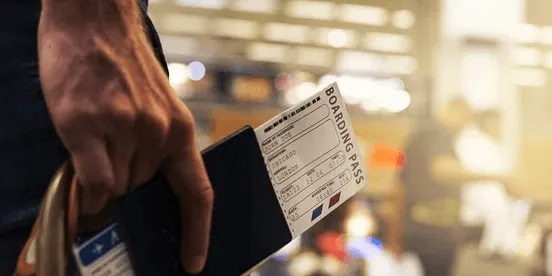
What is business travel?
Business travel is a trip taken by a company’s employees to carry out work-related activities, such as meetings, events, training, and client visits. This type of travel differs from a short administrative trip without an overnight stay because it normally involves greater distances and longer stays.
Business trips are essential for maintaining and expanding business, especially in a globalized market. They allow companies to strengthen client relationships, explore new market opportunities, and foster a culture of learning and innovation among their employees.
Business travel: an investment or an expense for the company?
Business trips are an investment, not an expense, for companies. When well planned and carried out, they offer a significant return by providing opportunities for networking, closing new deals, and strengthening relationships with clients and partners. According to Travel Perk, for every dollar invested in business travel, companies obtain a return of 12 dollars.
Effective business travel management is therefore crucial for maximizing this return and ensuring that each trip contributes positively to the company’s strategic objectives.
The difference between viewing business travel as an expense and viewing it as an investment lies in the approach. By treating trips as investments, companies focus on maximizing the return, seeking strategies and tools that increase their efficiency and effectiveness.
This ranges from choosing destinations and suppliers to clearly defining the goals of each trip, ensuring that every activity delivers measurable benefits to the organization.
How to plan a business trip
Planning a business trip requires attention to many details to ensure that the trip’s objectives are met efficiently and economically. Good planning includes choosing suitable accommodation, arranging transportation, scheduling meetings and events, and controlling spending.
Business travel management tools can help with this process by providing a clear, centralized view of every stage of the trip.
What to include when calculating the cost of a business trip
When calculating the costs of a business trip, it is important to consider everything that affects the budget. This includes:
- Airfare: Choose flights that offer the best value for money. Consider economy class or negotiated corporate fares.
- Accommodation: Choose hotels that balance comfort, location, and price. Negotiating corporate rates with hotel chains can yield significant savings.
- Local transportation: Plan for taxis and apps such as Uber, rental cars, or public transportation. Assess the practicality of each option based on the destination and trip schedule.
- Meals: Set a daily amount for meal expenses. Consider including meals at business meetings or events in the budget.
- Extras: Include potential additional costs, such as baggage fees, parking, internet, insurance, and other unforeseen expenses.
Planning these items in detail allows for an accurate spending forecast and helps avoid financial surprises. It is also important to consider clear reimbursement policies and procedures for submitting expenses, making post-trip financial management easier.
What is the role of a company’s travel manager?
The business travel manager is essential for organizing and efficiently carrying out trips. This professional centralizes all travel-related information, ensuring that trips stay within budget and comply with company policies.
The manager’s role goes beyond simply arranging logistics; they must also act strategically, identifying opportunities to save money and ensuring that trips contribute to the company’s goals.
Travel manager responsibilities
A travel manager’s main responsibilities include:
- Cost control: Monitor and manage travel expenses. This involves implementing clear travel policies and using management tools to track spending in real time.
- Policy development: Create and implement business travel policies that are fair and effective. These policies should take travelers’ needs and the company’s goals into account, ensuring compliance and control.
- Rate negotiations: Obtain better prices for tickets, hotels, and transportation. Negotiate contracts with suppliers and explore loyalty programs and corporate discounts.
- Itinerary planning: Organize travel itineraries that make the best use of time and resources. Ensure that all activities are well coordinated and travelers have all the information they need for a successful trip.
- Traveler support: Provide assistance during the trip, including resolving problems. Be available to help with itinerary changes, emergencies, and other traveler needs.
- Expense reports: Prepare detailed reports to analyze and improve future trips. These reports should include a detailed cost analysis and identify areas for improvement.
What are business travel reports and why are they important?
Business travel reports are documents that record all the information and expenses related to a trip. They are fundamental to managing spending, allowing a detailed cost analysis and identification of areas where savings are possible.
These reports also help ensure compliance with the company’s travel policies and provide valuable data for planning future trips.
Their importance goes beyond simply recording expenses. They offer insights into spending patterns, allow savings opportunities to be identified, and help assess the return on investment for each trip.
With this information, managers can make more informed, strategic decisions, adjusting policies and practices to improve the efficiency and effectiveness of business travel.
A well-prepared business travel report includes detailed information about each stage of the trip, from buying tickets to meal and accommodation costs. It should also analyze the activities carried out, such as meetings and events, and assess whether the trip’s goals were achieved.
With this data in hand, companies can adjust their travel strategies and continually improve how they manage travel expenses.
What to do after a business trip and how Clara can help
After a business trip, it is essential to review all expenses and assess the results achieved. This review helps identify what worked well and where there is room for improvement.
Clara offers several solutions to make this process easier, such as issuing corporate cards to each team. These cards enable precise expense control, simplifying financial management and expense reconciliation.
In addition to corporate cards, Clara provides virtual card numbers (VCN) that simplify payments and expense reconciliation. With these temporary virtual cards, companies can allocate a specific budget to each trip and monitor spending in real time.
This reduces the risk of unauthorized expenses and makes it easier to reconcile accounts after the trip.
The management tools offered by Clara allow detailed reports to be created, making it easier to analyze costs and identify savings opportunities. With these reports, managers can assess the return on investment of each trip and adjust their strategies to maximize future benefits.
Another advantage of using Clara’s solutions is the ability to automate many manual processes associated with travel management. For example, expense reports can be generated automatically, saving time and reducing the chance of human error.
Companies can set spending limits and automatic approvals, ensuring that all expenses comply with internal policies.
Conclusion
Business trips are an essential part of many companies’ operations, offering valuable opportunities for growth and stronger business relationships. With proper planning and efficient management, these trips can be transformed from a necessary expense into a highly profitable investment.