




Comparison: virtual vs. physical cards for businesses

Comparison: virtual vs. physical cards for businesses In today’s business environment, choosing appropriately between a virtual and a physical card...
Comparison: virtual vs. physical cards for businesses
In today’s business environment, choosing appropriately between a virtual and a physical card is key to maximizing financial efficiency, increasing payment security, and making the most of available digital tools. This article answers common questions to help you decide which card type best suits your company’s particular needs.
What is a virtual card and how does it work?
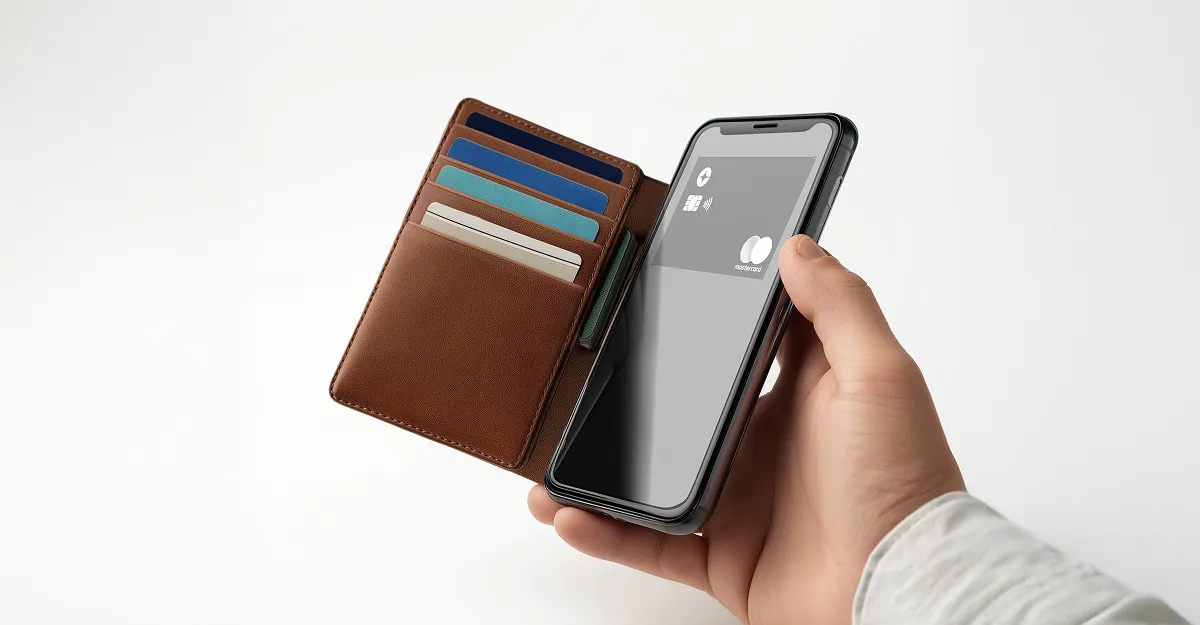
A virtual card is a payment method that works like a physical card but exists only digitally. It has no plastic form, and its details are available only through secure digital platforms. One of the advantages of virtual cards is how easy it is to issue and cancel them instantly, which is especially practical when managing expenses for employees, freelancers, or contractors. You can learn more about how to issue and cancel virtual cards easily here.
Physical business card: definition and common uses
A physical business card is a traditional payment method: a physical plastic card containing a chip and a magnetic stripe with banking information. It can be used for in-person purchases and e-commerce payments by providing the details printed on the card.
Traditionally, card use in companies involves giving certain employees physical cards for recurring expenses, representing the company, or corporate travel.
Main differences between virtual and physical cards
Ease of issuance and cancellation
When comparing digital and physical cards, virtual cards stand out for fast online issuance and cancellation, while physical cards take longer because the plastic cards must be made and delivered.
Security and fraud protection
The virtual card security is superior to physical card security because virtual cards often include additional features such as a unique number for each transaction or automatic locking after certain usage limits, significantly reducing the risk of fraud or loss.
How and where they are used
A physical business card is more convenient when frequent in-person transactions are needed, such as corporate travel abroad or recurring payments at physical merchants.
On the other hand, a virtual card is ideal for online transactions such as supplier payments, digital subscriptions, advertising expenses on digital platforms, recurring payments on SaaS platforms, and other online services.
Expense control and digital management
A notable advantage of the virtual business card is efficient expense control through intuitive digital platforms, where you can instantly generate detailed reports and simplify financial management with less effort.
Specific advantages of virtual cards for businesses
- Lower operating costs: Without having to make or ship physical cards, companies save significant time and money.
- Greater fraud protection: Thanks to advanced digital security features, virtual cards give finance managers greater peace of mind.
- Easy integration with digital platforms: With a virtual corporate card, integration with accounting, administrative, or financial services is simple and efficient.
- Flexible use: Issuing multiple cards for employees or external collaborators (such as freelancers) allows better organization and tracking of expenses by person or role. Learn more about virtual cards for freelancers and contractors.
When should I choose a physical card for my company?
Despite the many benefits of virtual cards, there are cases where a physical card is more appropriate:
- Payments at places without contactless or digital technology: Where a card must still be physically presented because of local regulations or operational needs.
- Frequent travel expenses: A physical card is preferable when frequent in-person payments are required.
How can you make the most of both card types?
In fact, many modern companies prefer a hybrid strategy combining virtual and physical cards. They can use virtual cards for recurring payments, digital platforms, or specific expenses assigned to particular people while retaining physical cards for particular situations.
Learn how to implement this effective strategy with your virtual corporate card and other financial tools suited to your particular needs on our specialized blog.
Conclusion: virtual vs. physical cards for businesses
In short, there is no single answer when comparing digital and physical cards; each has specific advantages that depend entirely on the company’s context, operating needs, and financial priorities.
The best approach is to carefully assess your company’s use cases, identify when a physical business card is essential and when virtual cards would be better for operational efficiency, financial flexibility, or transaction security.