




Understanding service payments

Paying for services is essential for individuals and businesses alike. These payments include regular outlays for utilities such as...
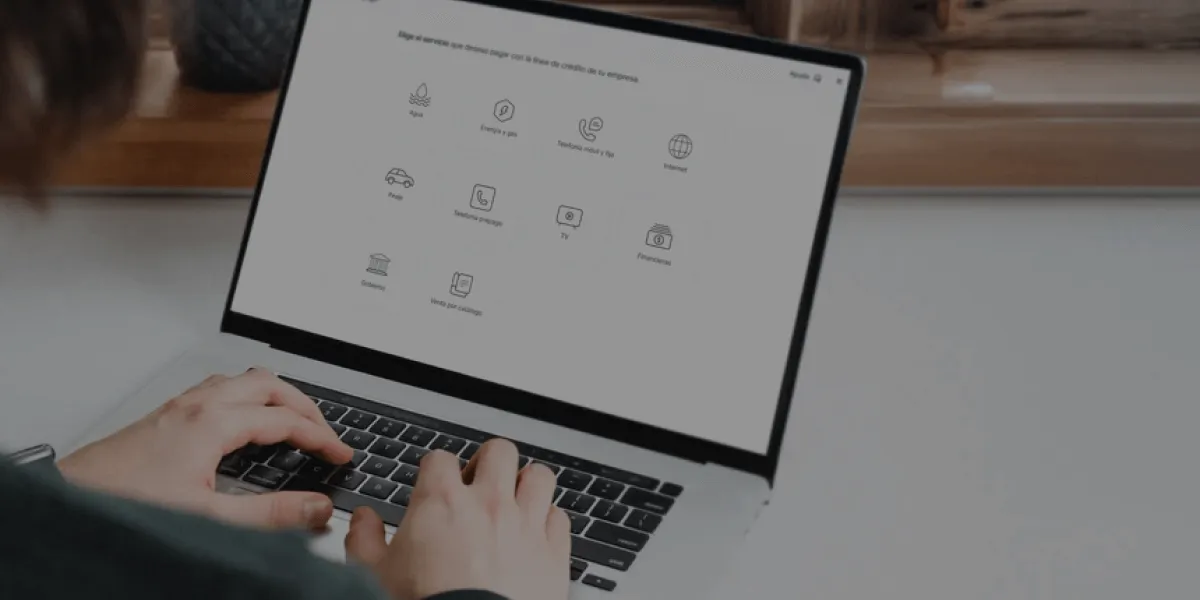
Paying for services is essential for individuals and businesses alike. These payments include regular outlays for utilities such as electricity, water, telecommunications, gas, and other vital services that keep homes and businesses running every day. For companies, managing these payments efficiently is crucial because a service interruption could seriously affect operations.
In a business setting, service payments represent a significant part of the operating budget. Companies must manage these payments promptly and accurately to avoid problems such as late fees or, worse, service suspension.
In a competitive market, keeping services running is key to ensuring productivity and customer satisfaction.
Why optimizing service payments is crucial
Optimizing service payments is essential to any company's financial health. Managing these payments efficiently helps companies avoid unnecessary fees, prevent service interruptions, and maintain good relationships with providers.
Proper payment management also supports more accurate financial planning, allowing companies to allocate their resources better and improve their cash flow.
Poor payment management carries many risks. For example, late payments can lead to additional charges and, in extreme cases, service suspension.
This affects a company's daily operations and can also damage its reputation. Interruptions to essential services can slow production, affect delivery of products or services, and reduce customer satisfaction.
Implementing automated solutions can be an effective way to optimize service payments. These tools let you schedule payments, send reminders, and keep detailed records of all outlays, minimizing the risk of human error and ensuring every payment is made on time.
Common challenges in service payments
Managing service payments presents several challenges, especially for companies that regularly handle multiple payments. One of the most common problems is inefficiency in manual payment processing.
Depending on the number of providers and payment frequency, the manual process can be cumbersome and prone to errors.
Traditional payment methods also often lack the security needed to protect transactions against fraud or errors. Insecure transactions can expose companies to significant financial risks and affect their financial stability.
Another important challenge is the lack of visibility and control over service payments. Without a suitable tool to manage them, companies can lose track of their outlays, leading to poor financial planning and potential cash flow problems. A solution that gives full visibility into all payments is essential to avoid these issues.
Strategies for improving service payment management
Payment automation: The key to efficiency
Payment automation is one of the most effective strategies for improving service payment management. By automating the process, companies can ensure that all payments are made on time, eliminating the risk of late fees. Automation also reduces administrative work, allowing employees to focus on more strategic tasks.
Another key benefit of automation is fewer errors. Manual processes are subject to human mistakes, which can result in incorrect or duplicate payments. Automation minimizes these risks, improving the accuracy and efficiency of financial management.
Best security practices for service payments
The security of service payment transactions is essential to protecting company funds. To mitigate risks, it is advisable to use secure payment methods that include encryption and authentication. These practices help ensure transactions are secure and financial information is protected against unauthorized access.
It is also important to keep detailed records of all transactions. Good recordkeeping is useful for audits and makes it easier to identify and resolve any problem that arises in the payment process.
Monitoring and controlling service payments
Ongoing monitoring and control of service payments are essential for healthy financial management. Implementing a system that gives companies full visibility into every payment is crucial to avoiding cash flow problems and ensuring that all payments are made efficiently.
Companies should adopt tools that let them track each payment, analyze spending patterns, and adjust budgets accordingly. This improves financial planning and helps identify areas where substantial savings can be made.
Optimization and control as keys to success
In short, optimizing and controlling service payments is critical for any company that wants to operate efficiently and profitably. Adopting practices such as payment automation, implementing robust security measures, and using advanced monitoring tools can make the difference between effective financial management and one that creates problems.
If you are looking for a comprehensive solution to help manage and optimize your company's service payments, consider exploring Clara's options. Clara is a platform designed to simplify financial management, allowing companies to handle payments more securely and efficiently.
With advanced features and a focus on automation, Clara can help you improve operational efficiency and ensure all your payments are made on time.