




Differences between an interbank CLABE and a card number

In Mexico’s financial landscape, understanding the differences between an interbank CLABE and a card number is essential for secure transactions...
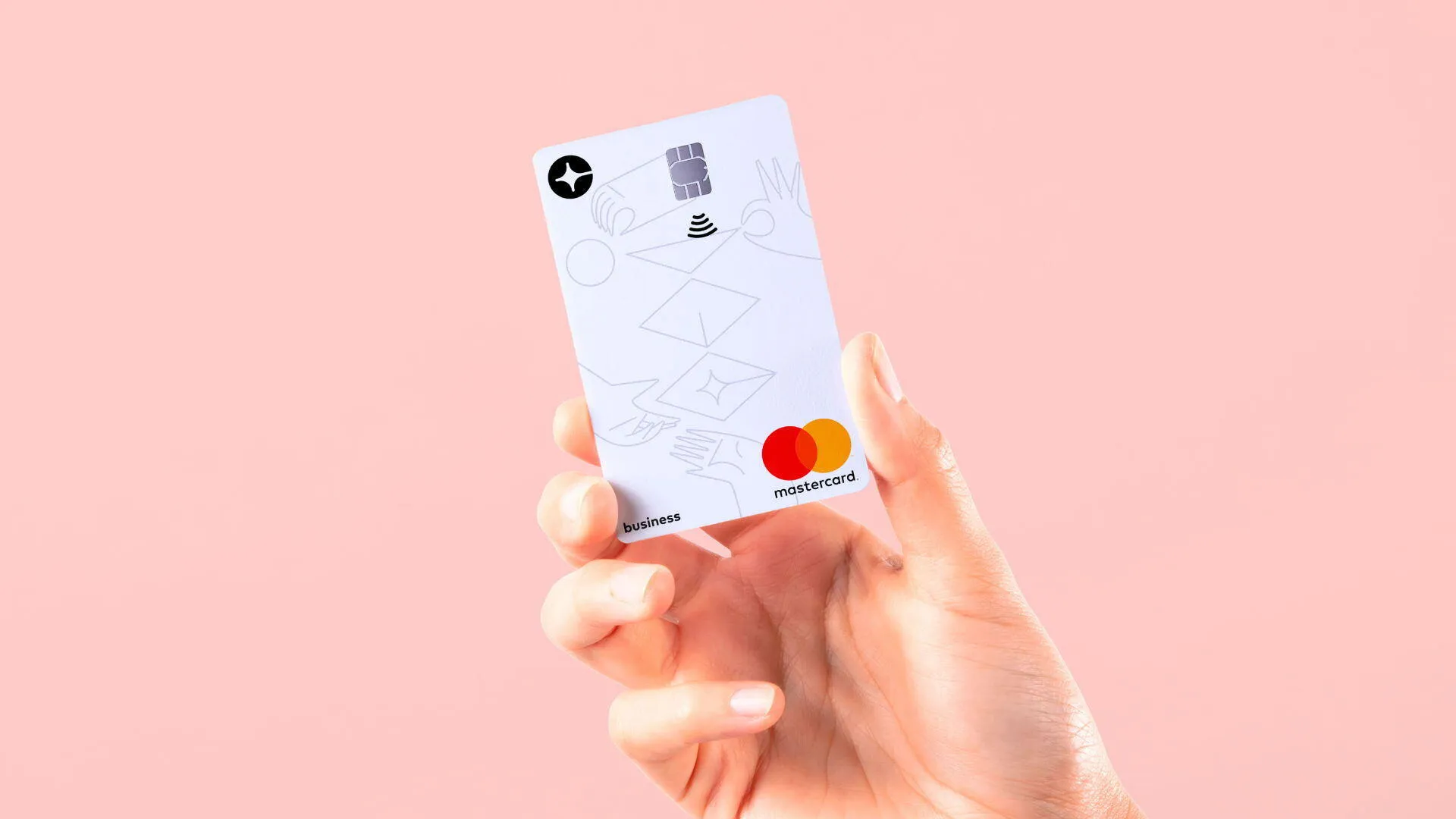
In Mexico’s financial landscape, understanding the differences between an interbank CLABE and a card number is essential for secure and efficient transactions. Each plays a different role in everyday banking, from electronic transfers to online purchases. This article explains their features, key differences, and practical uses to help you use them correctly and avoid financial errors.
To optimize your company’s financial management and ensure secure transactions, consider using Clara’s Business Credit Card . With customizable limits and real-time alerts, you can maintain full control over your business expenses.
What is an interbank CLABE?
The interbank CLABE, or standardized bank code, is a unique 18-digit number assigned to each bank account in Mexico. This standardized identifier facilitates electronic transfers between banks, ensuring accurate and secure transactions.
The CLABE’s structure consists of:
- 3 initial digits representing the bank code.
- 3 digits identifying the location or branch.
- 11 digits corresponding to the customer’s account number.
- 1 check digit, which verifies the CLABE’s validity.
The CLABE’s main purpose is to prevent confusion or errors in interbank transfers. It is also essential for transactions such as paying utility bills, transferring funds between accounts at different institutions, and receiving payroll deposits. Although the CLABE is not displayed on physical cards, it is readily available on account statements or online banking platforms.
What is a card number?
A card number is the sequence of 16 digits printed on credit and debit cards. It is crucial for payments and purchases, whether online or at physical stores, and for transactions requiring additional information such as the CVV security code.
Its structure includes:
- First digits: these identify the payment network, such as Visa or Mastercard.
- Following digits: these identify the issuing bank and the account associated with the cardholder.
Unlike the CLABE, the credit card number is widely used for real-time transactions such as booking services and making quick purchases. Because it is more widely exposed, protecting this information is essential to prevent financial fraud.
Key differences between an interbank CLABE and a card number
Although the CLABE and card number are both fundamental banking tools, their uses and features differ significantly:
- Function:
The CLABE is used for electronic transfers between banks, while the card number is used for purchases and direct payments. - Length and structure:
The CLABE has 18 digits, while the card number has 16 digits. - Location:
The CLABE does not appear on physical cards; it can be found on statements or in banking apps. The card number is printed on the credit or debit card. - Security:
It is safe to share a CLABE to receive transfers. By contrast, a card number should be kept strictly confidential because misuse can lead to fraud.
These differences underscore the importance of knowing which identifier to use in each financial situation.
Why it matters to know these differences
Distinguishing between a CLABE and a card number is key to ensuring security and accuracy in financial transactions. A common mistake, such as confusing the two numbers, can cause delays or problems in critical transactions, from receiving a payment to completing a purchase.
Financial education about these concepts also protects your banking information and helps prevent fraud. For example, sharing your card number in an insecure setting can lead to unauthorized access, whereas providing your CLABE is a standard and safe way to receive deposits.
Using banking services effectively also depends on this understanding. Applying each identifier correctly improves efficiency and reduces associated risks.
Practical uses
The CLABE and card number are used in specific situations that reflect their different functions:
-
When a CLABE is required:
- Receiving payroll payments.
- Transferring funds between accounts at different banks.
- Automatic payments for services such as electricity and water.
-
When a card number is used:
- Making purchases at online stores.
- Booking hotels, flights, or car rentals.
- Paying at physical terminals, whether in supermarkets or restaurants.
Each tool has a defined purpose, and understanding these practical uses makes it easier to manage your finances efficiently.
With this guide, you can use a CLABE and a card number in an informed and secure way, improving your financial transactions and preventing problems. Remember to always protect your banking information and consult reliable sources if you have questions.