




Fuel card: what is it, how does it work, and why use one?

A fuel card lets a business assign fuel payments to drivers or vehicles and review each fill-up. Its value depends on the controls and records it provides.
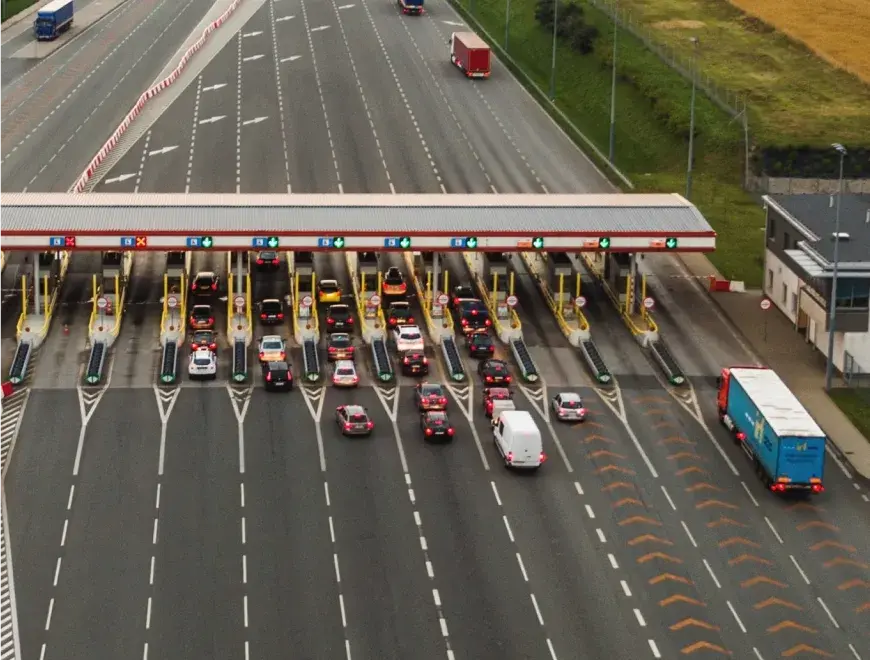
A fuel card is a payment method intended for a company’s gasoline or diesel purchases. Instead of handing out cash and collecting receipts at month’s end, a business can associate each payment with a person or vehicle and review transactions through one process. The card alone does not lower fuel prices: its advantage is visibility and the ability to set usage rules.
How it works in a fleet
The finance team defines who may use the card, for which vehicle, and under what limit. The driver pays at the station, and the transaction is recorded for review. An internal policy should explain what to do when a fill-up does not match the route, vehicle, or budget. It is also useful to reconcile the charge with its date, amount, fuel type, and corresponding document; a statement does not automatically replace tax documentation.
Which benefits to evaluate
- Assignment: identifying the driver or vehicle keeps fuel use from different units separate.
- Limits: caps by card or period help apply a budget before spending occurs.
- Tracking: comparing fill-ups and transactions makes discrepancies easier to investigate.
- Documentation: reports and supporting documents make reconciliation easier; each business must review its own tax requirements.
An option available in Mexico
In the 2026 editorial update, Clara describes its Fleet Card in Mexico as an electronic fuel wallet that can be assigned by driver or vehicle, with a license plate, fuel type, and limits. Clara says it works at Mexican gas stations that accept Mastercard, does not allow ATM withdrawals, and issues a monthly consolidated CFDI. These are features of that specific solution, not of all fuel cards.
Clara also documents merchant-category and period controls for its corporate cards. Before choosing any product, ask which merchants accept it, how limits are changed, what information each report includes, and how to obtain the tax document. Also decide who will review transactions, how often, and what evidence to request when a discrepancy appears. Check the contract terms and the process for blocking a lost card. Those answers will help you decide whether the card fits your operation, without assuming discounts or savings the provider has not documented.